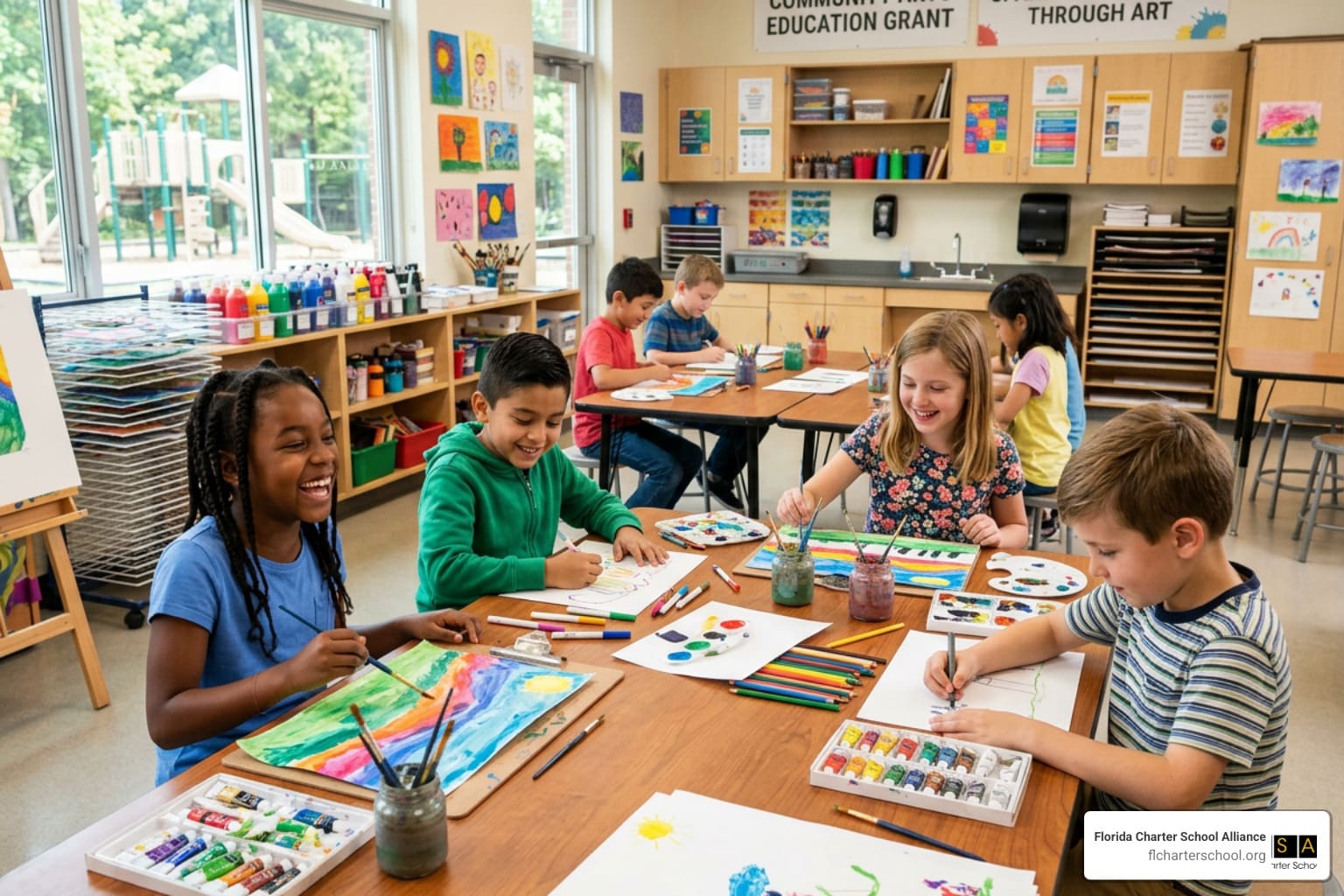
Why Grants for Art in Schools Are a Game-Changer for Your Program
Finding grants for art in schools doesn’t have to feel overwhelming — here’s a quick look at the major options available right now:
| Grant Program | Who Can Apply | Max Award |
|---|---|---|
| NEA Grants for Arts Projects | Schools, nonprofits, arts orgs | $10,000–$100,000 |
| Illinois Creative Learning Grants | K-12 public schools, charter schools | $20,000 |
| TeachArtsOhio | PK-12 public, private, charter schools | Covered at $350/day |
| Oklahoma Essential Arts Education Grants | PreK-12 public, charter, private schools | $5,000 (x2 per year) |
| Vermont Artists in Schools | Schools, nonprofit arts orgs | $4,000 |
| Maryland Arts in Education (MSAC) | Teaching artists + school partners | $6,000 per grant |
| Rhode Island Project Grants in Education | Schools, individuals, nonprofits | $5,000–$7,000 |
Arts programs in schools are under constant pressure. Budgets get cut. Supplies run out. And talented students who thrive through creative learning often miss out because funding simply isn’t there.
But here’s the good news: dozens of grant programs — at the federal, state, and local level — exist specifically to fund arts education. From artist residencies to classroom supplies to professional development, there is real money available for schools willing to pursue it.
Public charter schools, in particular, are well-positioned to take advantage of these opportunities. Their built-in flexibility and spirit of educational innovation make them strong candidates for arts grants that reward creative, student-centered approaches to learning.
I’m Lynn Norman-Teck, Executive Director of the Florida Charter School Alliance, and throughout my career supporting high-quality public charter schools, I’ve seen how grants for art in schools can transform a program — and a student’s entire educational experience. In this guide, I’ll walk you through exactly where to find that funding and how to go after it.
Understanding State and Federal Grants for Art in Schools
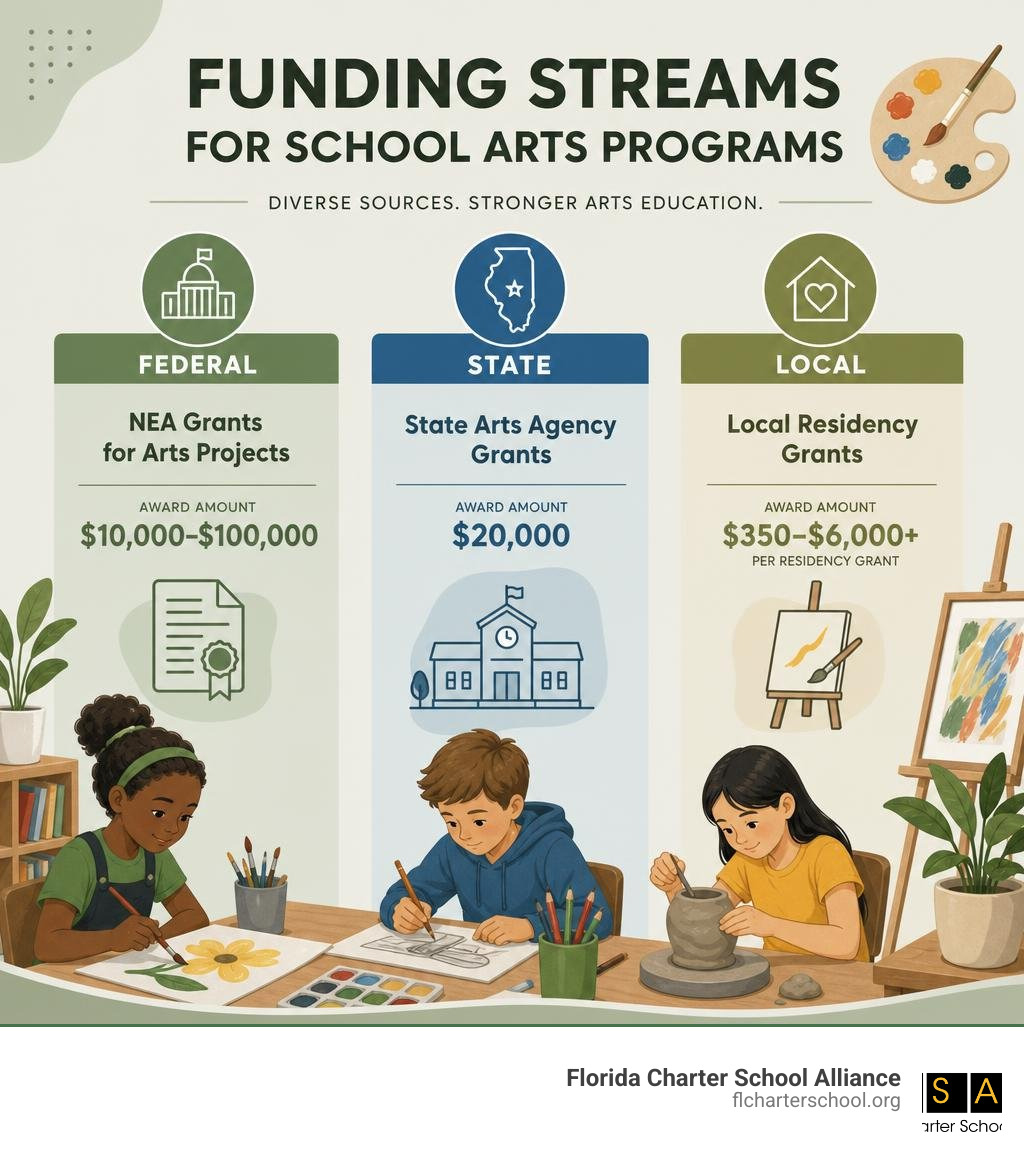
When navigating the landscape of arts funding, it is helpful to look at grants through three distinct lenses: federal, state, and local. Each tier offers unique benefits, varying award amounts, and specific alignment with school curricula. For Florida schools, tapping into these diverse funding streams is the key to unlocking true academic excellence and expanding educational opportunity for all students.
| Grant Tier | Primary Funding Sources | Typical Award Range | Best Suited For | Key Compliance Requirements |
|---|---|---|---|---|
| Federal | National Endowment for the Arts (NEA) | $10,000 – $100,000 | Systemic programs, long-term curriculum design, collective impact initiatives | Active SAM.gov registration, Unique Entity ID (UEI), 1:1 cost share/matching |
| State | Florida Division of Arts and Culture | Varies by program | Statewide arts education initiatives, school-day artist residencies, equipment | State-level reporting, matching requirements, standards alignment |
| Local / Regional | County arts councils, local foundations, outreach groups | $1,000 – $10,000 | Classroom supplies, field trips, short-term workshops, local artist visits | Simple final reports, student impact metrics, community showcase |
At the federal level, the National Endowment for the Arts (NEA) is the premier funding body. Through its Grants for Arts Projects program, the NEA supports projects that promote deep, standards-aligned arts learning. These grants are not designed for quick, one-off events; instead, they target sustainable, long-term programs that integrate arts into the core of student learning.
At the state level, the Grants – Division of Arts and Culture – Florida Department of State provides vital resources designed to bring high-quality artistic experiences directly to Florida’s classrooms. These grant programs are structured to align with Florida’s state educational standards, ensuring that every dollar spent directly contributes to student achievement and innovative learning. By utilizing these state-level grants, public charter schools can bridge funding gaps and provide specialized instruction that might otherwise be out of reach.
Key Types of Arts Education Funding and What They Cover
Arts grants are highly versatile, but they are rarely “blank checks.” Grantors want to see their funds utilized for specific, high-impact activities. Understanding what these grants typically cover will help you design a competitive proposal that stands out to review panels.

Artist Residencies and Teaching Artist Fees
One of the most popular uses of grants for art in schools is bringing professional artists into the classroom. These programs allow students to work side-by-side with industry professionals, gaining exposure to creative career paths.
For example, the TeachArtsOhio program serves as an excellent national benchmark for how structured residencies can work, funding teaching artists at a professional rate of $350 per day for residencies spanning anywhere from 10 to 120 days.
Similarly, the Project Grants in Education Landing Page | RISCA highlights the importance of sequential, participatory learning, requiring a minimum of eight contact hours with the same teaching artist to ensure deep, meaningful engagement.
In Florida, local and regional organizations offer fantastic avenues for funding these direct interactions. Schools can explore opportunities through:
- Regional United Arts Agencies: The Grants | United Arts of Central Florida program provides crucial support to enrich local classrooms through specialized arts programming.
- County Arts Councils: The Grants : RESOURCES – MartinArts portal connects educators with local funding opportunities designed to bring the arts to life in coastal and South Florida communities.
- Capital Region Programs: The Arts Education Grant – Tallahassee Arts Guide offers targeted funding for schools looking to integrate professional artists into their curriculum.
- State-Level Resources: The Arts in Education – Division of Arts and Culture serves as a central hub for connecting Florida schools with certified teaching artist programs and statewide resources.
- Specialized Music Outreach: Programs like the Music Outreach – Artist Series of Tallahassee bring world-class musicians directly to local schools, providing students with inspiring live performances and workshops.
Classroom Supplies and Equipment Upgrades
Many grants allow schools to purchase specialized materials that standard operating budgets cannot support. This can include anything from kilns, pottery wheels, and high-quality watercolor paper to theatrical lighting boards, musical instruments, and digital media software.
By upgrading their physical infrastructure, schools ensure that the impact of a grant lasts long after the funding cycle ends.
Professional Development for Educators
To build a sustainable arts program, you must invest in your educators. Many grant programs fund professional development workshops that train classroom teachers on how to integrate arts across other academic disciplines, such as math, science, and language arts. This cross-curricular approach maximizes the reach of the grant and fosters a culture of educational innovation.
Designing Impactful Projects with Grants for Art in Schools
To win funding, a project must be designed around sequential learning and clear, measurable student outcomes. Grant review panels look for programs that actively engage students in the creative process rather than passive observation.
Florida’s public charter schools have consistently led the way in implementing these innovative learning models. For instance, Somerset Arts Academy uses a specialized arts-integrated curriculum to elevate student achievement and keep students deeply engaged in their daily lessons.
Another incredible example of educational access and creativity is the Athenian Academy of Technology and the Arts, which seamlessly blends arts instruction with cutting-edge technology to prepare students for the modern creative economy.
Other public charter schools across the state, such as Doral Academy of Technology, Just Arts Management Charter Middle School, Global Leadership Academy Arts, and Wayman Academy of the Arts, demonstrate how integrating the arts into school operations creates a vibrant learning environment that supports family empowerment and academic excellence.
How Public Charter Schools Leverage Arts Funding for Student Success
Public charter schools are uniquely positioned to maximize the impact of arts grants. Because charter schools operate with greater administrative flexibility, they can quickly pivot to implement new, innovative arts curricula, establish community partnerships, and respond directly to parental choice.
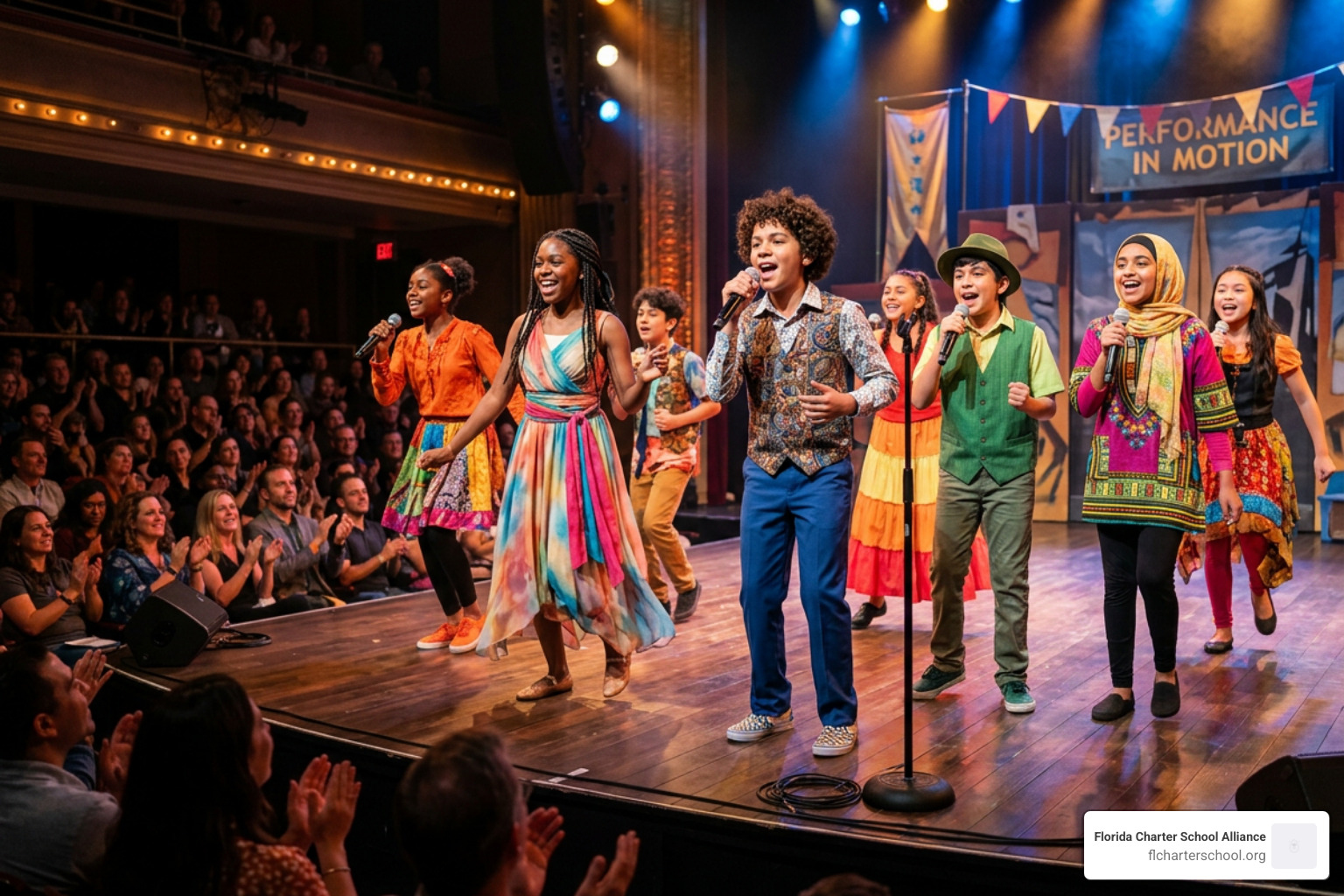
When a charter school secures funding for the arts, it does more than just buy paintbrushes or sheet music; it opens doors to life-changing opportunities. Consider the incredible success stories coming out of Florida’s charter school movement:
- The renowned Miami Arts Charter School Announces Two Major Grammy Milestones by Alumni and Faculty, illustrating how high-quality arts education can propel students to the absolute pinnacle of professional achievement.
- The school’s commitment to holistic development is further highlighted by stories like how a Miami Arts Charter Student Make the US Rhythmic Gymnastics Team, showing how creative environments foster the discipline and dedication needed for elite athletic success.
- Similarly, G-Star School of the Arts provides students with hands-on, professional-grade training in commercial arts, film production, and digital media, preparing them directly for high-wage careers in the creative industries.
These schools prove that when families are given a choice, they choose programs that value academic excellence and artistic expression in equal measure.
Navigating the Application Process for Grants for Art in Schools
Applying for a grant can seem daunting, but breaking the process down into manageable steps ensures a smooth, successful submission.
- Verify Eligibility Early: Before writing a single word, ensure your school meets all criteria. Some grants are restricted to public charter schools, while others require specific partnerships with non-profit organizations or registered teaching artists.
- Understand the Deadlines: Grant cycles are strict. Missing a deadline by even a minute will disqualify your application. Build a calendar with internal deadlines for drafts, budget approvals, and final reviews.
- Align with State Standards: Ensure your project narrative explicitly states how the program will support state-mandated educational standards and boost student achievement.
- Establish Clear Accountability: Grantors want to know their money is being spent wisely. Include a detailed, cost-effective budget and outline exactly how you will measure and report student impact.
For schools looking for smaller, highly accessible entry points into arts funding, programs like the Oklahoma Arts Council: Small Grant Support for Schools provide a great model, offering up to two $5,000 grants per year with a simple 10% cash match.
By starting with smaller local or state grants, institutions like Somerset Arts Conservatory build the administrative track record necessary to successfully apply for larger, highly competitive national grants in the future.
Frequently Asked Questions About Arts Education Grants
Who is eligible to apply for school arts grants?
Eligibility varies depending on the funding source. Most state and federal arts education grants are open to public schools, public charter schools, and school districts. In many cases, non-profit 501(c)(3) organizations or registered teaching artists can apply in direct partnership with a host school. Private schools are occasionally eligible for specific private foundation grants, but public charter schools enjoy wide-ranging eligibility across almost all public funding sources.
What are the typical reporting and compliance requirements for grantees?
Accountability is a major component of any grant program. Grantees are typically required to submit a final report within 30 days of the project’s completion. This report generally includes:
- A detailed financial ledger showing how all funds were spent.
- Documentation of matching funds or in-kind contributions (if required).
- Student impact metrics, such as the number of students served and hours of instruction.
- Qualitative data, including student artwork, photos of performances, or testimonials from educators and parents.
How can schools find and collaborate with qualified teaching artists?
The safest and most effective way to find qualified partners is through official state and local teaching artist rosters. State arts agencies maintain curated directories of artists who have been vetted for artistic excellence, background-checked, and trained in classroom pedagogy. Partnering with local arts councils, such as those in Tallahassee or Central Florida, is also an excellent way to connect with professional creators who are passionate about student-centered learning.
Conclusion
At the Florida Charter School Alliance, we believe that every child deserves access to a high-quality, well-rounded education that includes the transformative power of the arts. Securing grants for art in schools is more than just a way to balance a budget — it is a pathway to family empowerment, educational innovation, and academic excellence.
By leveraging these funding opportunities, Florida’s public charter schools can continue to offer creative, student-centered learning environments that prepare the next generation of innovators, thinkers, and creators. We encourage you to explore the resources available, connect with local arts organizations, and take the first step toward funding your dream art program today.
For more information on how we advocate for equitable resources and educational access for all families across the state, please visit our page on Fair Funding for All Public School Students. Together, we can ensure that every student has the resources they need to thrive.